
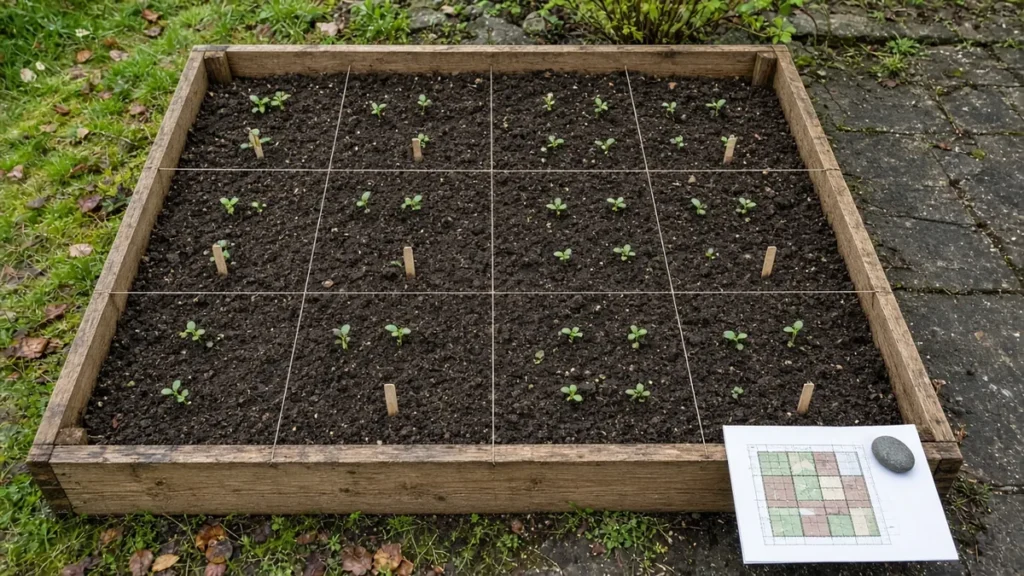
Few things say “spring” in an Irish garden like planting the first potatoes. Early potatoes are one of the most satisfying crops to grow, and they’re well suited to a raised bed or even a large bag or tub. The process starts indoors in February, with a simple job called chitting.
What are early potatoes?
Potatoes are often grouped by how soon they’re ready:
- First earlies are planted first and are ready soonest, in early summer.
- Second earlies follow a little later.
- Maincrops take longest and are usually lifted in late summer or autumn.
For a small space or a first raised bed, first earlies are a good choice. They’re in the ground for a shorter time, which frees up the space for another crop later in the year.
Buy seed potatoes, not supermarket potatoes
Buy potatoes sold for planting, from a garden centre or seed supplier. These are known as seed potatoes. Potatoes from the supermarket aren’t meant for planting and can bring disease into your soil.
Seed potatoes are usually in the shops from late January and through February.
Chitting: step by step
Chitting simply means letting your seed potatoes grow short shoots before you plant them. Many growers in Ireland chit their first earlies to give them a head start.
- Find the end with the most eyes. Each potato has small dimples called eyes, where shoots will grow. One end usually has more of them.
- Stand them upright in an egg box or a shallow tray, with that end facing up.
- Choose a cool, bright, frost-free spot, such as a windowsill in a spare room, a porch or an unheated room. Avoid a warm, dark cupboard, which gives long, pale, weak shoots.
- Wait a few weeks. You’re looking for short, sturdy shoots, dark green or purple in colour.
That’s it. There’s no need to water them.
When to plant
In milder parts of Ireland, many growers plant first earlies from mid-to-late March. In colder or inland areas, or in a cold spring, it’s often better to wait until early April.
The soil matters more than the date. Plant when the ground isn’t frozen or waterlogged. If it squelches underfoot, give it another week or two.
Planting in a raised bed
- Dig a trench or individual holes, deep enough to cover the potatoes with soil.
- Place the potatoes in carefully, shoots facing up, so you don’t snap them off.
- Space them out so each plant has room. Follow the spacing on your supplier’s pack.
- Cover them gently with soil.
Planting in a bag or tub
Potatoes also grow well in large containers on a yard or patio.
- Use a large potato bag or tub with drainage holes.
- Add a layer of multi-purpose compost in the bottom.
- Place a few seed potatoes on top, shoots up, leaving room between them.
- Cover with more compost.
- As the plants grow, keep adding compost around the stems until the container is nearly full.
Containers dry out more quickly than the ground, so water regularly, especially in dry spells.
Earthing up
As the green leaves appear, draw soil up around the stems in a raised bed, or add more compost in a container. This is called earthing up. It keeps the developing potatoes covered, because potatoes exposed to light turn green and shouldn’t be eaten.
Watch for frost
Young potato leaves are easily damaged by frost. Late frost is a risk until about mid-May in most of Ireland, and later inland. If frost is forecast, cover the shoots with more soil, or with a layer of garden fleece.
When are they ready?
First earlies are usually ready in early summer. A common sign is when the plants start to flower. Have a gentle look by scraping back a little soil at the side of a plant. If you find potatoes of a size you’re happy with, it’s time to lift them.
Once they’re lifted, the space can go on to grow something else, such as kale or a late sowing of salad.
Planning your first raised bed? Our Raised Bed kit, our lead kit, comes with sealed seed packets, a bed layout plan and a sowing calendar for Irish conditions. Kits go on sale in early February 2027, with delivery to Ireland and Northern Ireland. See the Raised Bed kit →