
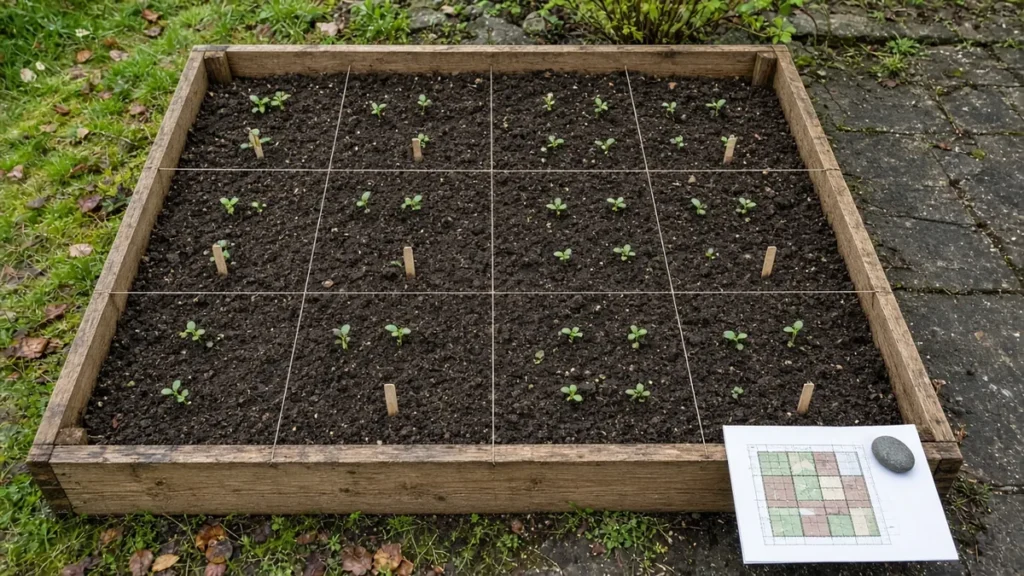
The growing year in Ireland starts long before the first seed goes in. The short, dark days of winter are a good time to sit down with a cup of tea and a notebook and plan what you’d like to grow. A bit of planning now makes spring calmer, and you’re less likely to buy seeds you’ll never sow.
Here’s a simple way to do it.
Step 1: Write down what you eat
Start with your kitchen, not the garden. Make a list of the vegetables and herbs your household eats most weeks. Be honest. There’s no point growing a crop nobody likes.
Then circle the ones that are best eaten fresh: salad leaves, herbs, peas, beans, courgettes, new potatoes. These are often the most rewarding to grow at home.
Step 2: Look at your space
Next, look at where you’ll grow. Do this on a bright day if you can.
- Sun: where does it fall in the morning, at midday and in the afternoon? Most vegetables want the sunniest spot you have.
- Shelter: where does the wind come from? A wall, fence or hedge can make a big difference.
- Water: how far is the nearest tap or water butt?
- Size: measure roughly. A balcony, a few pots in a yard, or one small raised bed are all good starting points.
If you’re building a raised bed, winter is a good time to do it, so the soil can settle before spring.
Step 3: Pick a short list
Choose a handful of crops for your first year. Fewer crops, grown well, beat a long list grown in a rush. A good mix for a small raised bed might be:
- Early potatoes
- Peas
- Carrots and beetroot
- Lettuce and salad leaves
- A courgette plant
- Kale, for picking into autumn and winter
For a balcony, think salad leaves, radish, spring onions, herbs and dwarf French beans.
Step 4: Draw a simple plan
Sketch your bed or pots on paper. Give each crop a space. Put taller plants, like peas on a support, where they won’t shade the rest. Leave room for a courgette, because one plant grows bigger than you’d expect.
When an early crop like potatoes is lifted, you can plant something else in the same space, such as kale or more salad. Pencil that in too.
Step 5: Make a sowing calendar
Write each month on a page, and note what you’ll do. Keep the dates loose, because the weather decides in the end. As a conservative guide for Irish conditions:
- January: order seeds and seed potatoes. Clean pots and trays.
- February: chit early potatoes in a cool, bright room. Prepare beds and pots.
- March: plant first early potatoes in milder areas from mid-to-late March. Sow tomatoes indoors. Sow peas and radish outdoors once the soil isn’t cold and waterlogged.
- April: sow carrots, beetroot, salad and spring onions outdoors. Sow courgettes and beans indoors.
- May: plant out tender crops once the risk of frost has passed. Late frost is a risk until about mid-May in most of Ireland, and later inland.
Always check the instructions on each seed packet too. They’re written for that exact variety.
Step 6: Gather the basics
Before spring arrives, make sure you have:
- Pots or trays with drainage holes
- Compost
- Labels and a pencil
- A watering can with a fine rose
- A notebook for sowing dates
Keep notes as you go
The best plan is the one you improve each year. Write down what you sowed and when, what came up, and what your household enjoyed most. Next winter, you’ll have your own record to plan from.
Planning your first raised bed? Our Raised Bed kit, our lead kit, comes with sealed seed packets, a bed layout plan and a sowing calendar for Irish conditions. The bed frame and soil aren’t included. Kits go on sale in early February 2027, with delivery to Ireland and Northern Ireland. See the Raised Bed kit →