
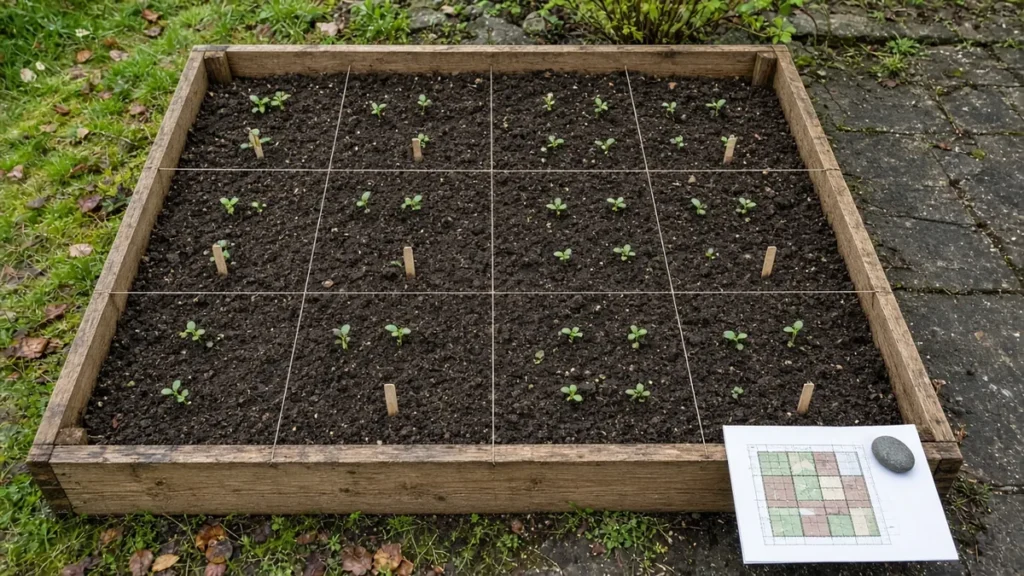
Beetroot is one of the friendliest crops for a new grower. It’s easy to sow, it copes well with Irish weather, and it’s happy in a raised bed or a deep container. You can eat the roots and the leaves, and young beetroot picked fresh from the garden is a real treat.
When to sow
Beetroot doesn’t like cold, wet soil. As a conservative guide for Irish conditions:
- Outdoors: sow from about April, once the soil has warmed a little and isn’t waterlogged. In milder areas, some growers start in late March.
- Follow-on sowings: sow a short row every few weeks through to about midsummer, so you have beetroot coming on at different times.
- Under cover: you can also sow in modules under cover in March, and plant them out a few weeks later.
If you sow too early in a cold spell, beetroot can run to flower instead of forming a good root. Waiting until the soil warms up is usually worth it.
Getting the soil ready
Beetroot likes loose, crumbly soil without big stones. A raised bed filled with topsoil and compost is ideal. Rake the surface fine before you sow.
In a container, choose a pot or trough that’s deep enough for the roots to grow down. Fill it with multi-purpose compost.
Sowing
Beetroot seeds are unusual. What looks like one seed is often a small cluster, so several seedlings can come up from the same spot.
- Make a shallow line in the soil, at the depth given on the packet.
- Sow the seeds along it, spaced out as the packet suggests.
- Cover with soil and water gently.
- Label the row with the date.
Some growers soak beetroot seeds in water for an hour or so before sowing to help them along.
Thinning
Because each seed can produce several seedlings, thinning is important.
When the seedlings are a few centimetres tall, gently pull out the weaker ones so that one strong seedling is left in each spot. Do this on a damp day, or water first, so you don’t disturb the ones you’re keeping.
Don’t throw the thinnings away. Young beetroot leaves are lovely in a salad.
Looking after beetroot
- Water regularly in dry weather. Steady moisture helps the roots grow smoothly. Uneven watering can make them woody or cause them to split.
- Weed gently around the young plants, especially early on.
- Watch for birds, which sometimes peck at young leaves. A light cover of netting or fleece helps.
- Check for slugs on damp evenings, especially while the seedlings are small.
When to pick
Beetroot can be picked at any size you like. Many people prefer them small and tender, somewhere between a golf ball and a tennis ball. Larger roots are fine too, though they can become a little tougher.
To lift them:
- Hold the leaves near the top of the root and ease it out of the soil. A hand fork helps in firm ground.
- Twist the leaves off rather than cutting them, leaving a short stalk. This helps stop the colour bleeding when you cook them.
Using the leaves
Beetroot leaves are edible too. Pick a few young leaves from each plant for salads, or cook larger leaves like spinach. Don’t take too many from one plant, as the leaves help the root to grow.
A colourful crop
Beetroot comes in deep red, golden and even striped varieties. Whichever you choose, it’s an easy, colourful crop that’s well suited to a small raised bed or a deep pot on a yard.
Planning your first raised bed? Our Raised Bed kit, our lead kit, comes with sealed seed packets, a bed layout plan and a sowing calendar for Irish conditions. Kits go on sale in early February 2027, with delivery to Ireland and Northern Ireland. See the Raised Bed kit →