
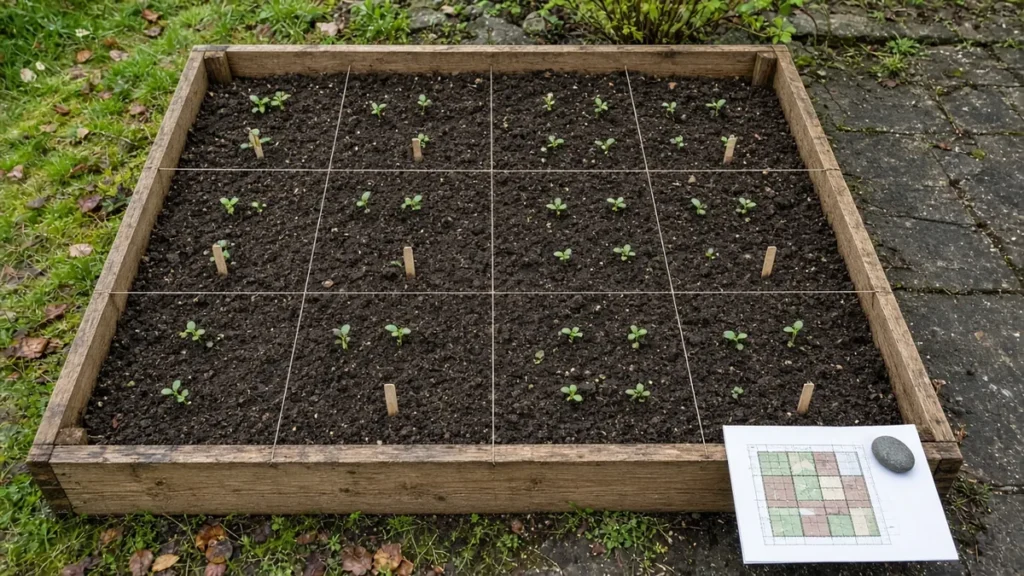
Fresh peas picked straight from the plant taste nothing like the ones from the freezer. They’re one of the great treats of growing your own, and children love picking them too. Shorter pea varieties are well suited to a raised bed or a large pot, and they don’t need a tall frame.
Here’s how to grow them.
Why shorter varieties?
Pea varieties range from low, bushy plants to tall climbers. For a small space, a shorter variety makes life easier:
- It needs only a short support.
- It’s less likely to be knocked about by the wind.
- It’s less likely to shade the other crops around it.
Check the seed packet for the expected height, and choose a support to match.
When to sow
Peas like cool conditions, which suits Irish springs well. As a conservative guide:
- Under cover: sow in small pots or modules from about late February or March, ready to plant out a few weeks later.
- Outdoors: sow from about March or April, once the soil isn’t cold and waterlogged.
- Follow-on sowings: sow another batch every few weeks into early summer, so you have peas coming on over a longer spell.
Peas don’t enjoy hot, dry weather, so later sowings in high summer can struggle.
Sowing indoors or out
In pots or modules. Sow one or two peas per small pot or module, about as deep as the packet says. Keep them somewhere cool and bright. This protects them from mice and birds, which love freshly sown peas. Harden them off before planting out.
Straight into the bed. Make a shallow, flat-bottomed trench and set the peas out in a double row along it, leaving space between each one. Cover them with soil and firm gently. Follow the spacing on the packet.
If mice are a problem in your garden, starting peas in pots is often the most reliable option.
Giving them support
Peas climb using thin, curly tendrils that wrap around anything nearby. Put your support in place at sowing or planting time, so you don’t disturb the roots later.
Good options include:
- Twiggy sticks, pushed into the soil along the row. Hazel and birch twigs are traditional choices.
- Pea netting or garden mesh, tied to short canes at each end.
- A small obelisk or wigwam in a large pot.
When the young plants are a few centimetres tall, guide them gently towards the support. After that, they’ll usually find their own way up.
Looking after them
- Water in dry spells, especially once the plants start to flower. That’s when peas need steady moisture most.
- Weed carefully around young plants. Peas don’t like competition.
- Protect from birds with a light layer of netting or fleece if pigeons are a problem.
- Watch for slugs around young seedlings, especially in damp weather.
Picking
Peas are ready when the pods look full and rounded, but before they turn pale or tough. Taste one to check.
- Hold the stem with one hand and pull the pod gently with the other, so you don’t damage the plant.
- Pick regularly. Leaving old pods on the plant can slow down the flowering.
If you like, you can also pick the young shoot tips to use in salads.
After the peas
When the plants have finished, cut them off at soil level and leave the roots in the ground to break down. The space can then go on to grow something else, such as a late sowing of salad.
A good first crop
Peas are forgiving, quick to come up, and very rewarding to pick. A short row in a raised bed, or a pot with a small support, is a lovely way to start.
Planning your first raised bed? Our Raised Bed kit, our lead kit, comes with sealed seed packets, a bed layout plan and a sowing calendar for Irish conditions. Kits go on sale in early February 2027, with delivery to Ireland and Northern Ireland. See the Raised Bed kit →