
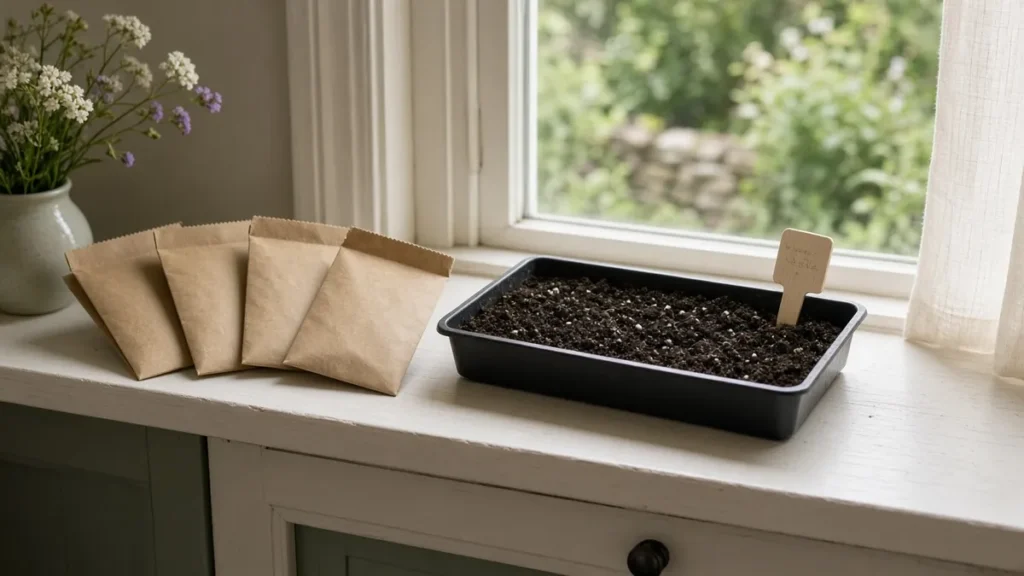
If you’re new to growing, radish is a wonderful place to start. It comes up quickly, grows fast and is ready to pick in a matter of weeks. That quick result is a real confidence boost, and it’s one of the reasons radish is so popular with first-time growers and children.
Why radish is so easy
- It’s fast. In good conditions, many radishes are ready in a few weeks from sowing.
- It’s small. It fits in a trough, a pot or a gap in a raised bed.
- It’s forgiving. It copes with the cool, damp weather of an Irish spring.
When to sow
Radish likes cool weather, which suits Irish conditions well. As a conservative guide:
- March to April: sow outdoors once the soil isn’t cold and waterlogged. In colder spots, start under cover.
- Every couple of weeks: sow a short row or a small pot, right through to late summer, for radishes coming on at different times.
- Early autumn: a last sowing can do well as the weather cools again.
In hot, dry spells in midsummer, radishes can turn woody or run to seed. If you sow in midsummer, choose a spot with some afternoon shade.
Where to grow it
Radish is happy almost anywhere with some sun and moist soil:
- In a pot or trough on a balcony or yard, in multi-purpose compost
- In a raised bed, in a short row or between slower crops
- As a row marker. Sow a few radish seeds alongside slow crops like carrots. The radish comes up quickly and shows you where the row is.
How to sow
- Make a shallow line in the soil or compost, at the depth given on the packet.
- Sow the seeds thinly along it, spacing them out as the packet suggests.
- Cover lightly and water gently.
- Label the row with the date.
Radish seeds are a good size for small fingers, which makes them ideal for children to sow.
Thinning
If seedlings come up crowded, gently pull out a few so the rest have room to swell. Crowded radishes tend to grow leaves rather than roots.
Watering
Steady moisture is the key to good radishes. If the soil dries out, they can turn hot, woody or split.
- Check pots and troughs every day or two in warm weather.
- Water gently at the base, so you don’t wash the soil away from the young roots.
Pests to watch
- Flea beetles can make lots of tiny holes in the leaves, especially in dry weather. Keeping plants well watered helps, and a cover of fleece or fine mesh keeps them off.
- Slugs may nibble young seedlings on damp evenings. Check in the evening and pick them off.
When to pick
Pick radishes young, when they’re firm and a good size for eating. Gently pull one up to check. If they’re left in the ground too long, they can become woody, hollow or very hot.
It’s better to pick a little early than a little late. Then sow another row.
Ways to enjoy them
- Sliced thin in a salad
- Whole, with a little salt, as a snack
- Halved and roasted, which softens their peppery bite
- The young leaves can go into salads too
A quick win
Radish teaches all the basics of growing from seed: sowing, watering, thinning and picking, all in a few short weeks. Once you’ve grown a row, you’ll be ready for the next crop.
Want an easy place to start? Our Spring Starter kit brings together five sealed supplier seed packets of easy crops, sent to you unopened, with a simple first-sowings plan and a card of Irish sowing dates. Kits go on sale in early February 2027, with delivery to Ireland and Northern Ireland. See the Spring Starter kit →